
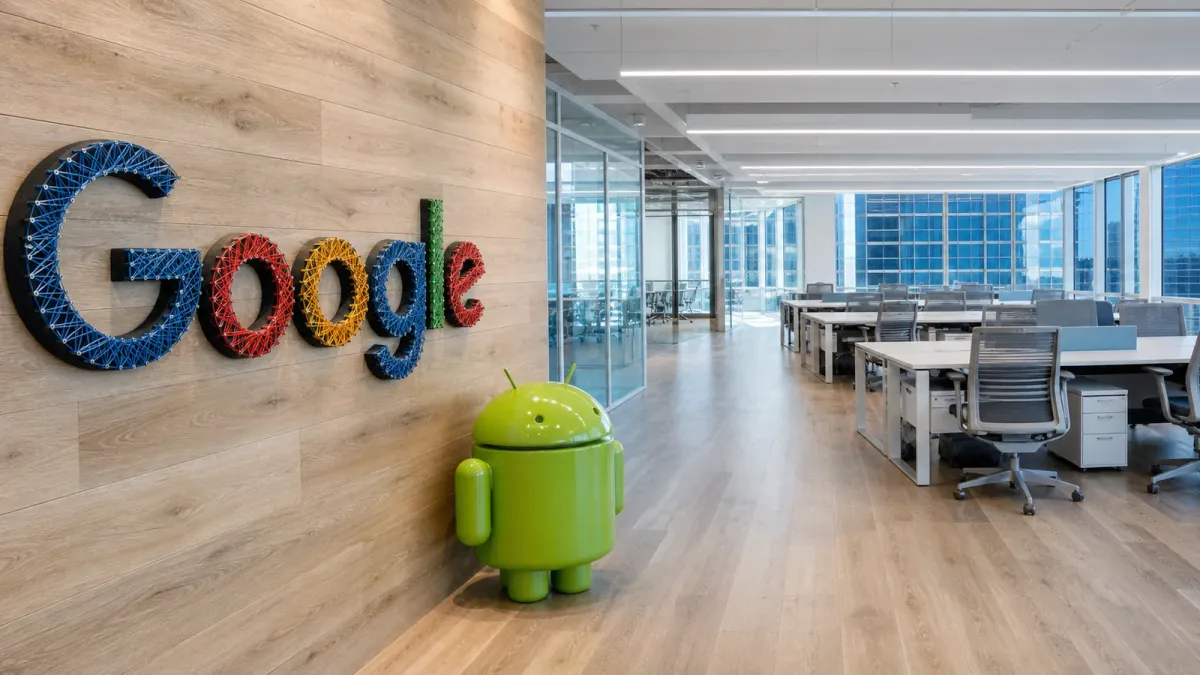
Google's parent company, Alphabet, has reportedly signed a lease that will expand its Miami office at 1450 Brickell Avenue from roughly 10,000 square feet to about 45,000 square feet. The deal makes the office more than four times its previous size and adds another major technology tenant to Brickell's growing roster of finance and tech companies.
The lease was signed this spring, according to Bloomberg reporting published by The Business Times, which cited two people familiar with the private negotiations. Google declined to comment. The company's own office directory lists its Miami location at 1450 Brickell Avenue, Suite 901, where it has operated since 2016.
The most important unanswered question for Miami is not the square footage but the headcount. Google has not publicly disclosed how many employees will work from the expanded office, what teams will be based there, when the new space will be occupied or whether the lease will produce a large local hiring push.
What changed in Brickell
A move from about 10,000 to 45,000 square feet is substantial for a satellite office. It gives Google room for a much larger workforce, more meeting and collaboration space, or a combination of both. Yet office space alone does not reveal how many permanent jobs are coming. Hybrid schedules, shared desks and client-facing meeting areas can make the relationship between square footage and staffing less direct than it once was.
The expansion also remains modest beside Google's largest U.S. campuses. Bloomberg noted that the company's Mountain View footprint exceeds 10 million square feet, while its Hudson Square campus in New York spans roughly 1.7 million square feet. Miami is gaining a more meaningful outpost, not a replacement headquarters.
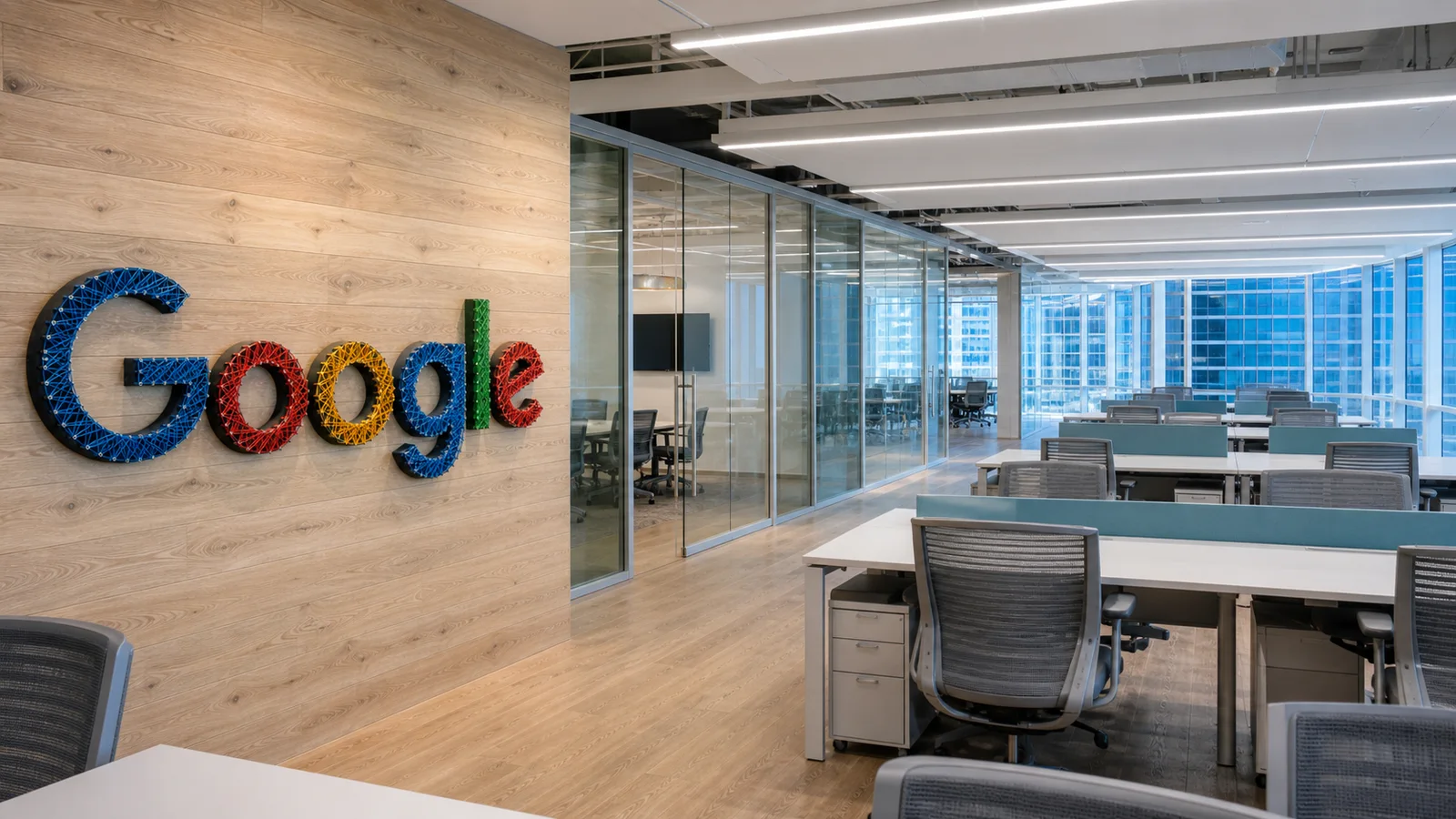
Still, the address matters. Brickell has become a magnet for high-end office demand as financial firms, technology companies and private investment offices have expanded in South Florida. A 45,000-square-foot commitment from Alphabet is another signal that major companies see value in maintaining a larger base close to Latin American markets, investors and a growing pool of executives who now spend more time in Miami.
The founders' Miami real-estate footprint
The office news follows a separate wave of Miami-Dade home purchases tied to Google co-founders Larry Page and Sergey Brin. The Real Deal reported from property records that Page spent about $188 million on three Coconut Grove properties: a $101.5 million waterfront compound, a nearby home purchased for $71.9 million and an adjoining property acquired for nearly $15 million.
Brin later paid $51 million for a waterfront home on Allison Island in Miami Beach, according to records and source reporting by The Real Deal. The purchases put the two founders' combined Miami-area residential spending above $239 million.
Page and Brin remain Alphabet directors and controlling shareholders, but neither runs the company day to day. Bloomberg's sources said their residential moves partly influenced the office expansion. Because Google has not publicly confirmed that link, the safest conclusion is narrower: the founders' personal investments and the company's larger lease are parallel signs of a deeper Miami presence, not proof that one automatically caused the other.
What it could mean for Miami
For the local economy, the best-case version of the story is straightforward: more well-paid jobs, more demand for local vendors and professional services, and a stronger technology network around an established global company. A larger Google office could also make Miami more credible to other employers deciding whether a South Florida outpost can attract and retain specialized workers.
The tradeoffs are just as local. Corporate demand can push premium office rents higher, while ultra-luxury home purchases reinforce a market increasingly shaped by wealth that was created elsewhere. Those effects do not translate neatly into rents or home prices for every neighborhood, but they add pressure to a city already wrestling with affordability, transportation capacity and the gap between high-income newcomers and longtime residents.
That is why the next disclosures matter more than the celebrity names attached to nearby property deals. Miami residents and business owners should watch for Google job postings tied to the city, construction or tenant-improvement permits at 1450 Brickell, and any company announcement identifying teams or community investments connected to the expansion.
What happens next
Neither Alphabet nor the building has announced an occupancy schedule for the expanded space. Until the company provides a headcount or hiring plan, the lease should be read as a significant vote of confidence in Brickell's office market—but not yet as a jobs announcement.
The clearest near-term measure will be whether Google's Miami job listings and local staffing grow alongside the floor plan. If they do, the lease could mark a durable expansion of Miami's technology economy. If they do not, the deal will still be notable real estate news, but its effect on the wider city will be more limited.


