
Miami-Dade is under a mosquito-borne illness alert after health officials confirmed a locally acquired dengue case, giving residents and visitors a practical reason to check yards, patios, and bite protection now.
The Florida Department of Health in Miami-Dade County posted the alert on August 3, 2026, saying the case was locally acquired. The department said anyone with symptoms should call DOH-Miami-Dade at 305-324-2400.
The alert matters because locally acquired dengue means the infection was not simply reported in a traveler after an out-of-area trip. It indicates a local transmission risk that county and state health officials are monitoring through disease surveillance and mosquito-control work.
What changed
DOH-Miami-Dade said the alert followed a confirmed local dengue case. Local 10 reported on August 1 that the health department and Miami-Dade County Mosquito Control were coordinating surveillance, prevention, and control efforts after the case was identified.
Miami-Dade County Mosquito Control says its inspectors conduct countywide surveillance, site inspections, and abatement activities, including response work tied to suspected mosquito-borne disease referrals from the health department. Residents with significant mosquito problems can submit a 311 service request for an inspection.
What residents should check
Dengue spreads through bites from infected mosquitoes, not by casual contact between people. Local health officials are urging people to reduce bites and breeding spots, especially around homes, workplaces, and shared outdoor areas.
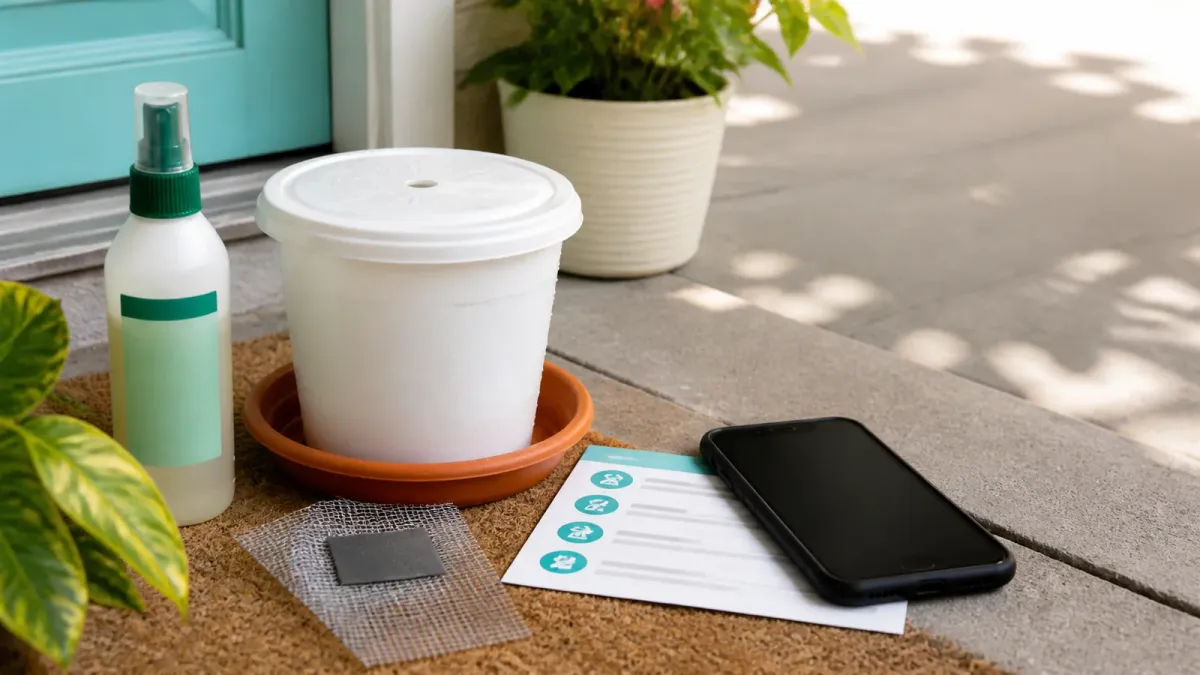
Practical steps include draining standing water from containers, covering or storing items that collect water, using EPA-registered repellent according to the label, and making sure window and door screens are intact. People who develop dengue-like symptoms after mosquito exposure should contact a health professional or DOH-Miami-Dade for guidance.
What is still unclear
Health officials have not publicly identified a neighborhood tied to the Miami-Dade case. The CDC also cautions that dengue surveillance data can lag and that state and local health departments may have more current information than national summaries.
For Miami-Dade, the immediate next step is local monitoring: health officials will continue surveillance, mosquito-control crews can inspect reported problem areas, and residents can reduce breeding sites before more cases are found.


