
Miami-Dade health officials have confirmed a locally acquired dengue case, prompting a mosquito-borne illness advisory for residents and visitors.
The Florida Department of Health in Miami-Dade notified the public after the case was confirmed, according to local reports published July 31 and August 1, 2026. Officials said surveillance, prevention, and mosquito-control coordination had begun.
The important local point is narrow but practical: this is not a travel-only warning. A locally acquired case means the person was believed to have been infected in the area rather than only during travel to a place where dengue is common.
What changed
WSVN reported that DOH-Miami-Dade issued the advisory after confirming one locally acquired case of dengue in South Florida. Local 10 also reported that the department notified residents and visitors of a recently confirmed locally acquired case.
The state health department says dengue is spread by infected mosquitoes, primarily Aedes aegypti and Aedes albopictus, both of which are present in Florida. The illness is not spread person to person through casual contact.
Florida health officials say dengue can look like a flu-like illness, with fever, severe muscle or joint pain, and sometimes a rash. The department says symptoms can appear within 14 days of a bite from an infected mosquito.
What residents should do first
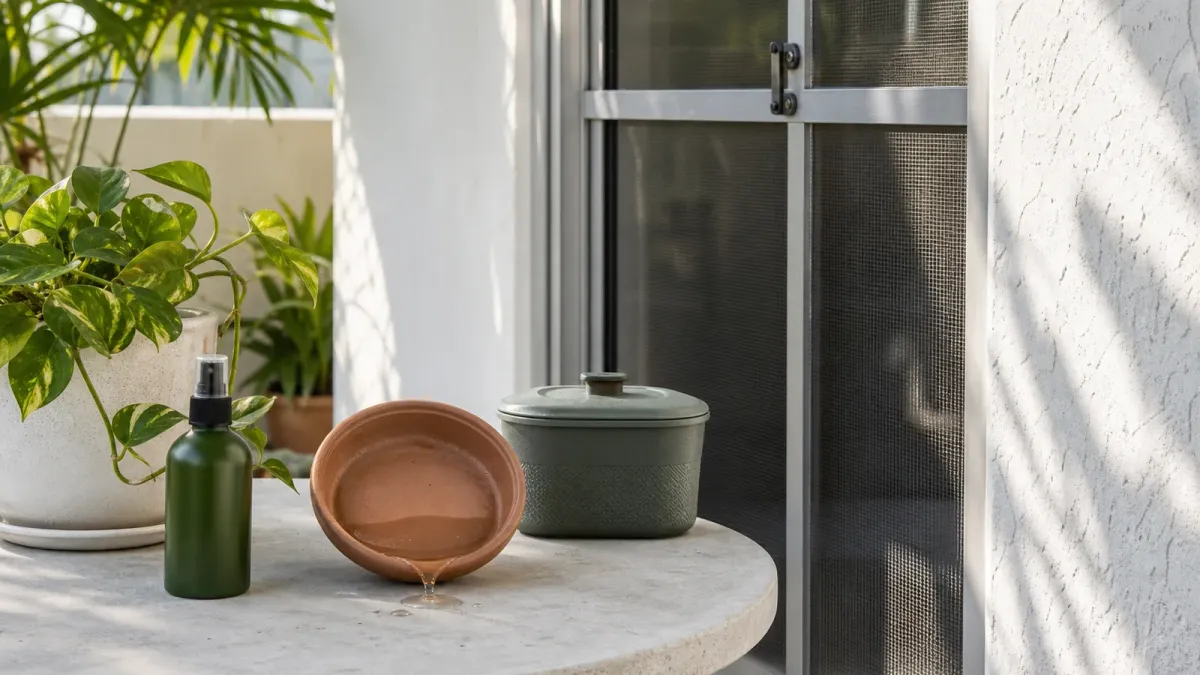
The simplest response is to reduce bite exposure and remove standing water around homes, patios, yards, planters, buckets, pool covers, and outdoor containers. The same small water sources that look harmless can give mosquitoes a place to breed.
Residents should use mosquito repellent, cover exposed skin when practical, and check window and door screens. Anyone who develops symptoms that could fit dengue should contact a health care provider, especially if symptoms are severe or follow mosquito exposure.
The CDC cautions that dengue surveillance data can lag because cases depend on testing, diagnosis, and reporting. That means local health departments may have more current information than national data dashboards during a fresh advisory.
What we do not know yet
Officials have not publicly released the patient's location, age, condition, or a neighborhood-level exposure area. They also have not said that Miami-Dade is experiencing a wider outbreak.
That matters because a single confirmed local case should be treated as a reason to tighten prevention, not as proof that dengue is widespread across the county. The next signal to watch is whether DOH-Miami-Dade reports additional locally acquired cases or expands mosquito-control messaging.


