
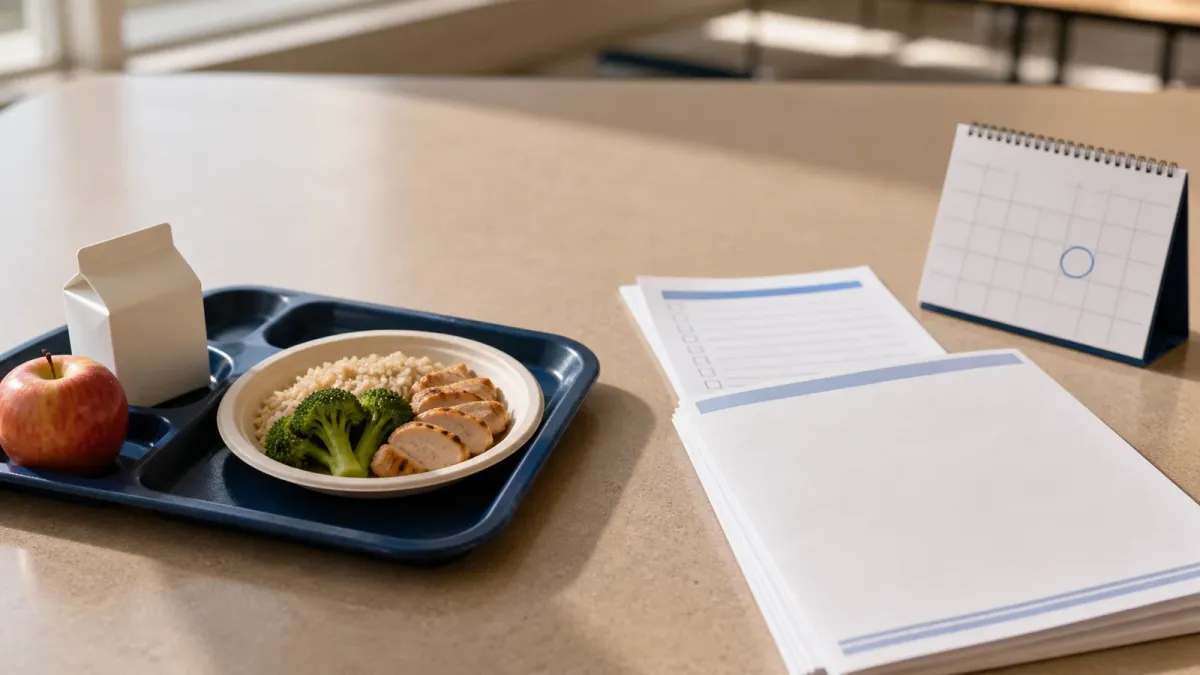
Miami-Dade families are starting the 2026-27 school year under a new meal-benefit rule: free breakfast and lunch are no longer automatic districtwide, and the answer now depends on which campus a student attends.
Miami-Dade County Public Schools says 121 schools will continue offering breakfast and lunch at no charge under the federal Community Eligibility Provision, known as CEP. Students at other schools must go through the free and reduced-price meal application process unless they are directly certified through programs such as SNAP, TANF, Medicaid, foster care, Head Start, migrant services or homeless assistance.
The change lands as M-DCPS students return to class on Thursday, August 13, 2026. The district has said all students will receive free meals for the first 30 days of the school year, or until a new eligibility status is determined, giving families a short window to file applications and avoid an interruption.
What changed
M-DCPS said its four-year districtwide participation in CEP ended after updated federal eligibility data showed the district no longer qualified to offer free breakfast and lunch to every student across Miami-Dade. CEP can still apply school by school, which is why the district published separate lists of CEP campuses and non-CEP campuses.
For families, the practical question is not whether Miami-Dade still has free meals. It does. The question is whether a child attends one of the 121 CEP schools, is automatically certified through another assistance category, or needs a household application to qualify.
What families should check
At non-CEP elementary schools and K-8 centers, M-DCPS says breakfast remains free, while full-price lunch is $4.20 and reduced-price lunch is 40 cents. At non-CEP middle and high schools, full-price breakfast is $2.50 and reduced-price breakfast is 30 cents; full-price lunch is $4.20 and reduced-price lunch is 40 cents.
The district opened applications on August 10 through its nutrition site and says schools will work directly with families on eligibility requirements and access to benefits. Only one application is needed per household, according to district materials.
Families should first check whether their school appears on the official CEP list. If it does, no free and reduced-price meal application is needed for that student to receive free breakfast and lunch at that campus. If the school appears on a non-CEP list, families should check whether the student is directly certified or submit the application during the opening weeks of school.
Why it matters now
The timing makes the policy change more than a paperwork update. Back-to-school routines, bus schedules, classroom supplies and meal accounts are all restarting at once, and the district's transition period is limited. A missed application could mean a family that expected no-cost lunch faces charges once the temporary free-meal window ends.
Local reporting from WLRN said Miami-Dade's direct-certified share was 64% four years ago, above the federal threshold for districtwide CEP, and 45.1% this year. The Florida Department of Agriculture and Consumer Services says CEP uses participation in other programs, including SNAP and TANF, to let eligible schools serve meals without traditional applications.
The next step for Miami-Dade parents is concrete: verify the child's campus category, file the application if needed, and watch for the eligibility determination before the 30-day transition period expires.


