
Miami-Dade boaters and divers have less than a week to check their licenses, gear and local zones before Florida's two-day spiny lobster mini-season opens on Wednesday, July 29, 2026.
The U.S. Coast Guard and the Florida Fish and Wildlife Conservation Commission said Thursday, July 23, that officers will increase safety inspections, vessel boardings and fishery enforcement during the July 29-30 sport season along Florida's coast. CBS Miami also flagged the warning for South Florida boaters as marinas, ramps and reef areas prepare for one of the busiest boating windows of the summer.
The short version for Miami readers: the season is legal statewide for two days, but the rules are not the same in every nearby water. Biscayne National Park follows the six-lobster-per-person daily bag limit, while most other Florida waters allow 12 per person during the sport season, according to FWC. Some Biscayne and Keys areas are closed to lobster harvest altogether.
What to check before launch
Dates: The sport season runs July 29-30, 2026, the last consecutive Wednesday and Thursday of July. Regular lobster season opens Aug. 6 and runs through March 31.
Bag limits: FWC lists six lobsters per person per day for Monroe County and Biscayne National Park, and 12 per person per day for the rest of Florida during mini-season. Possession limits are enforced on and off the water.
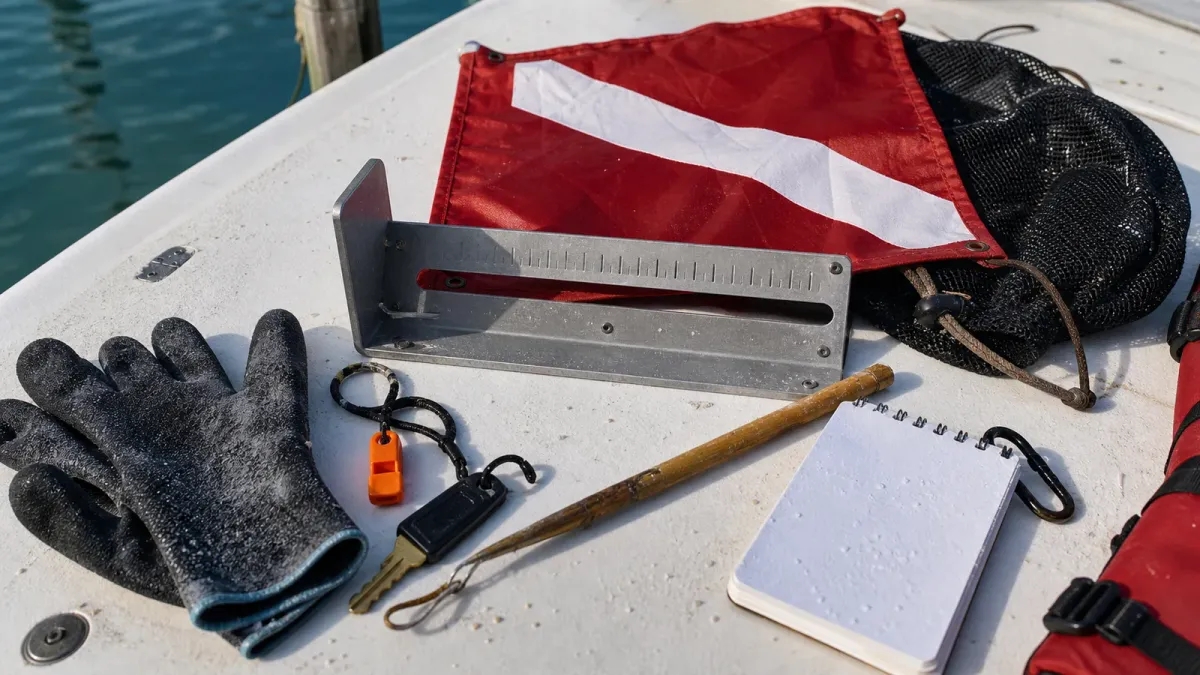
Size: Spiny lobster carapace length must be larger than 3 inches and must be measured in the water. Divers must have and use a measuring device while harvesting.
Closed areas: FWC says lobster harvest is always prohibited in Everglades National Park, Dry Tortugas National Park, the Biscayne Bay/Card Sound Lobster Sanctuary, no-take areas in the Florida Keys National Marine Sanctuary and five Coral Reef Protection Areas in Biscayne National Park. John Pennekamp Coral Reef State Park is closed to harvest during sport season.
Gear and catch rules: A recreational saltwater fishing license and spiny lobster permit are required unless an exemption applies. Lobster must be landed whole in state waters, egg-bearing lobster must be released, recreational traps are prohibited, and harvest gear cannot puncture, penetrate or crush the shell or flesh.
Why patrols matter this week
The Coast Guard said officers will focus on boating safety as well as fishery rules. Its checklist includes turning engines fully off when divers or swimmers are in the water, checking navigation lights before launch, avoiding overloaded boats, attaching the engine cutoff switch while underway, wearing a life jacket and boating sober.
For Miami-Dade, the practical risk is confusion. A boat can leave from a Miami-area ramp and move between waters with different limits, protected zones and enforcement priorities. Before heading toward Biscayne Bay, Biscayne National Park, the Keys or offshore Miami-Dade reefs, check the exact harvest area against FWC and park rules, not just the statewide headline date.
The safest plan is to decide the zone before launch, carry licenses and permits for each active harvester, measure every lobster before it goes into the bag, and leave extra time at ramps and channels where divers and patrol boats are likely to be concentrated.


