
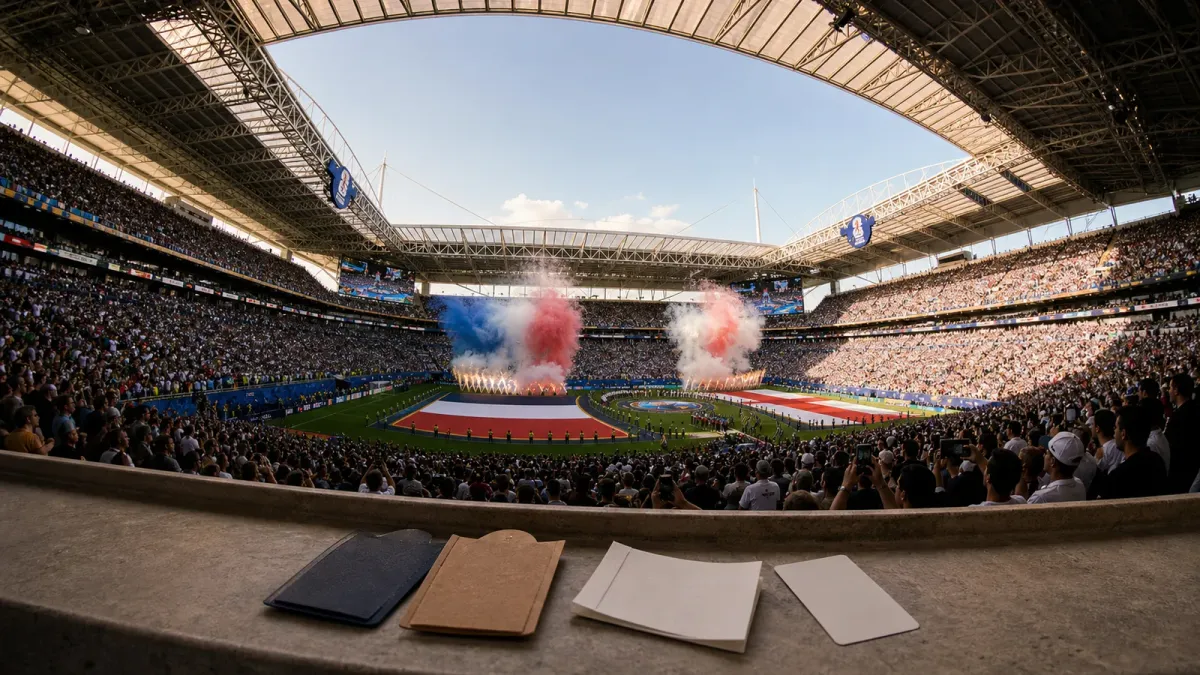
Miami can already count the crowds. FIFA says the seven 2026 World Cup matches at Miami Stadium in Miami Gardens drew a combined 449,157 spectators, filling 99.5% of available capacity from the June 15 opener through the July 18 bronze final.
That is clear evidence of demand. It is not yet a final economic-impact figure. The useful question for Miami-Dade is how much of the tournament's spending was new to the region, how widely it reached hotels, restaurants, shops and workers, and how those gains compare with public costs.
The early record points to a strong event and a meaningful hospitality boost. It also calls for patience: attendance, visitor spending, economic output, tax collections and net public benefit are different measures, and the final local accounting is still to come.
The numbers Miami can verify now
FIFA reported four group matches, a round-of-32 game, a quarterfinal and the bronze final in Miami Gardens. The closing England-France match drew 64,478 spectators, while the full seven-match run reached 449,157. Miami-Dade County separately described the total as more than 450,000 fans over five weeks.
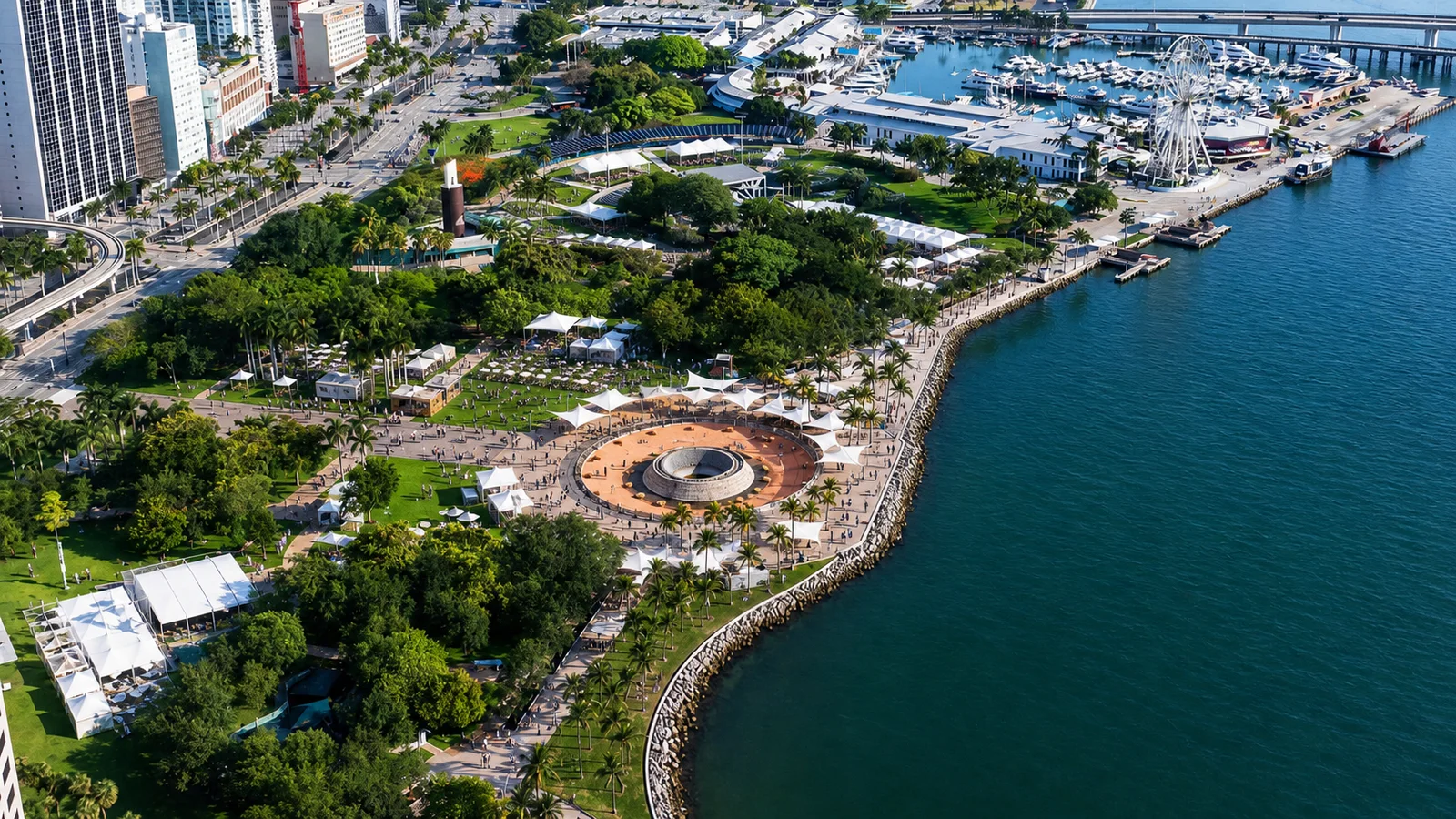
The tournament's footprint extended well beyond the stadium. The official fan festival operated in downtown Miami's Bayfront Park, and match transportation hubs, hotels, restaurants and watch parties spread activity across the region. That wider geography matters because a stadium sellout does not show where visitors slept, ate or spent time between games.
Early evidence of a regional hospitality lift
The first available indicators suggest the tournament helped South Florida's normally slower summer season. Axios, citing CoStar data supplied by Visit Lauderdale, reported that Broward hotel occupancy on June 27—the date of the Portugal-Colombia match—rose 9.7% from the same date in 2025. Revenue per available room increased nearly 30%.
The same report cited a Bank of America analysis showing consumer spending in Miami up more than 6% during the tournament period. Hotels and bars described unusually heavy international traffic, while a Hollywood watch party drew more than 30,000 people and created business for nearby venues.
Those are meaningful signals, especially because the economic reach crossed county lines. They are not a complete Miami-Dade total. A single match date can overstate a month-long effect, year-over-year comparisons can be influenced by other events, and card-spending data do not capture every transaction or tell readers which businesses retained the gains.
How the result compares with Miami's promises
Before the tournament, Miami-Dade projected more than 600,000 visitors and more than $500 million in direct economic impact. A 2025 county budget memorandum cited an estimated $920 million to $1.3 billion in total economic output when supply-chain activity and household-income effects were included.
Those larger figures were forecasts, not receipts. They also measure different things. Direct impact is the first round of visitor and event spending. Total output adds modeled ripple effects as businesses buy supplies and workers spend income. Neither number is the same as profit for local companies or new revenue collected by the county.
The public side belongs in the calculation too. County documents authorized $21 million in cash support for hosting, up to $25 million in in-kind and public-safety services, and $3 million in matching money for legacy projects. Some costs may come in below those ceilings, but a credible final assessment should compare actual spending with tax receipts and durable public benefits.
Why the visitor economy matters here
Miami entered the World Cup with a large tourism base. The Greater Miami Convention & Visitors Bureau says the county welcomed 28.3 million visitors in 2025, generating $22.7 billion in visitor spending and supporting more than 216,000 jobs. Tourism represented about 8% of Miami-Dade's gross domestic product.
That scale cuts both ways. Miami had the hotel inventory, dining scene and international air connections to absorb a global tournament. But because the destination already draws heavy summer traffic, analysts must separate World Cup visitors from trips that would have happened anyway. The most useful measure is incremental activity, not the total amount spent by everyone in town.
What to watch next
- Hotel results: June and July occupancy, room rates and revenue per available room compared with prior years and non-match dates.
- Visitor spending: Card transactions, restaurant sales and retail activity by neighborhood—not only countywide totals.
- Tax collections: Tourist-development, hotel and sales-tax receipts attributable to the tournament period.
- Public costs: Final cash and in-kind spending for security, transit, sanitation and event operations.
- Distribution: Whether independent businesses and workers shared in the gains or most spending stayed with major hotels, venues and sponsors.
- Legacy: Completed community projects and any lasting lift in bookings for future international events.
The bottom line so far is narrower than a victory lap but stronger than a shrug. Miami proved it could fill seven matches and move nearly 450,000 spectators through a regional hospitality system. Early hotel and spending signals show a real boost. Whether the tournament met its biggest economic promises will depend on the slower, less glamorous work of counting incremental revenue, public expense and who actually benefited.


